January 31, 2026
Smart Ring for Health Monitor -Track The Most Amazing Data For Your Personal Wellness.
Smart Ring for Health Monitoring A wristwatch explained is a passive wearable that monitors health in the background during normal life. With consumers increasingly concerned about quality sleep, recovery and long-term health, the smart rings are quickly becoming a solid option in place of chunky wearables. They give you actionable health insights and stay out of sight on your hand.
This article will explain what a smart ring for health monitoring is; how it works, what it tracks and why people are turning to it as an alternative or supplement to a clunky fitness tracker capable of delivering the stats they want but without endless screen time.
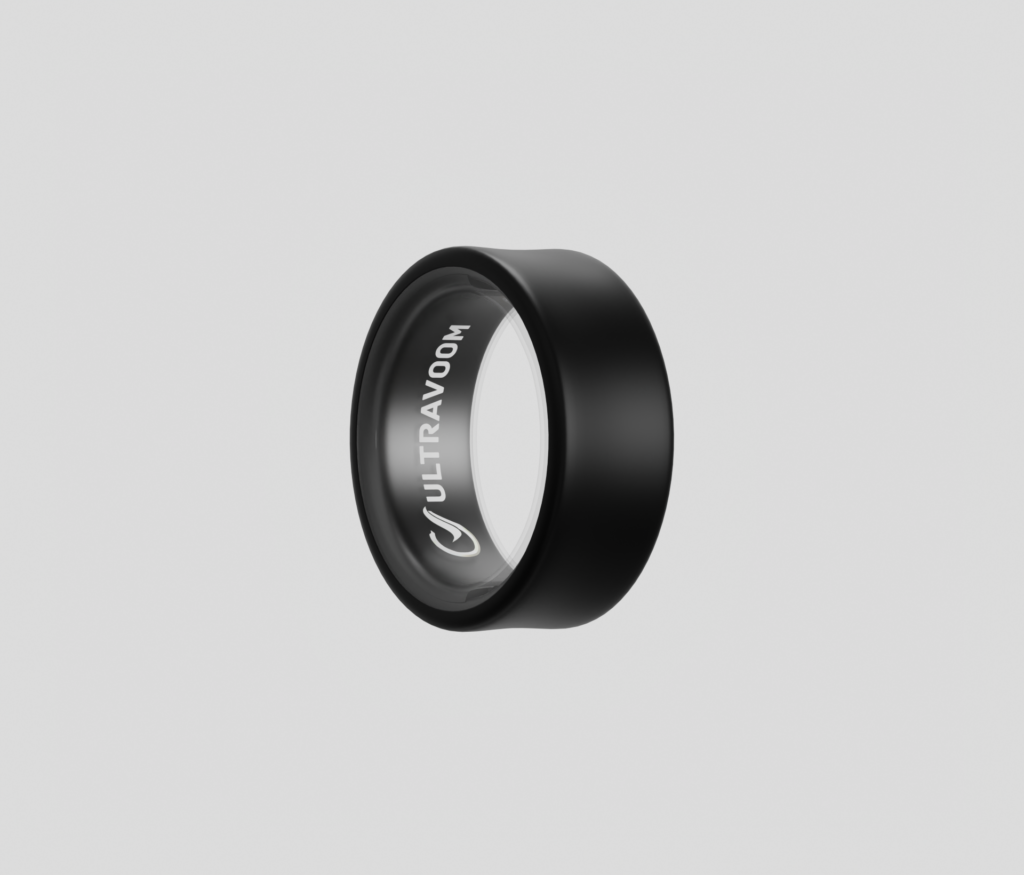
What Is a Smart Ring for Health?
The ring employs optical sensors, temperature sensors, and automatic activity detection to track essential signals including heart rate, sleep quality, activity levels, and recovery patterns. Data is pushed to a mobile app for analysis and representation in a straightforward manner.
And for those users who do not like to have constant interaction, a ring with health monitoring features provides an easier way and more comfortable method of logging their daily status.
How Does a Smart Ring Work?
Smart rings do this by gathering biometric data directly from the finger — one of the most consistent places on the body that can be used to monitor a person continuously.
The sensors embedded in the ring can measure fluctuations in blood flow, skin temperature and movement. This information is then processed with algorithms that transform raw signals into potentially useful health insights. That information is then shown in a companion app, usually to show trends rather than inundate people with raw numbers.
The fact ring is worn continuously, 24/7 means it can paint a full picture of how the body acts during activity, rest and sleep.
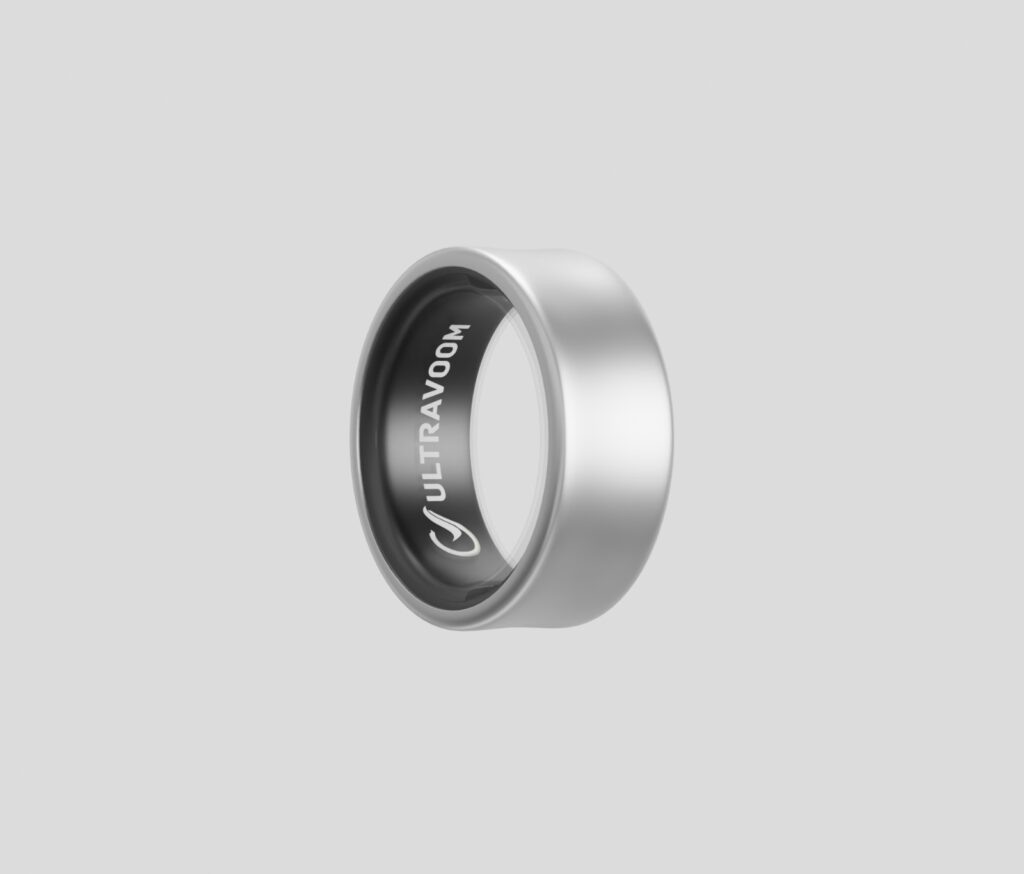
What Can a Smart Ring Track in Terms of Health Metrics?

Pulse & Heart Rest Rate
A smart ring health monitor monitors heart rate and more, all day and night. Resting heart rate trends can also be used to make users aware of their cardiovascular health and any deviations related to stress, sickness, fatigue.

Sleep Quality & Sleep Stages
One of the most interesting features in a ring for health tracking is sleep monitoring. Smart rings don’t even need to be taken off before bed, so there’s no reason they can’t track sleep duration and quality (according to stages of sleep).
The end result is that it helps users figure out if they are getting enough restorative rest, and how their daily habits are affecting the quality of their sleep.

Activity & Movement
Smart rings monitor step counts and activity but also general movement. They might not have the in-depth exercise modes of certain smartwatches but they give you a solid picture of day-to-day activity and general movement patterns.
This is particularly handy for those who are interested in staying fit, as opposed to tracking particular workouts.

Recovery and Readiness Indicators
A lot of smart rings rely on the combination of data like HRV, sleep and activity to give you back-to-back estimates for recovery or readiness. These revelations can guide users in choosing when to push harder and when it’s time for a break.
For the monitoring of long-term health, taken data on recovery is often more valuable than accumulated number of steps.

Skin Temperature Trends
A few even measure the temperature of your skin over time. Not a medical diagnostic device, the temperature trends can act like an early-warning system for stress, sickness or changes in routine.

UV Pro is a smart ring created to help you understand and track your menstrual cycle naturally. By analyzing changes in resting heart rate, sleep patterns, activity levels, recovery data, and skin temperature trends, UV Pro identifies patterns in your body that are closely linked to your cycle and ovulation.
Smart Ring for Health Monitoring vs Other Wearable
Smart Ring vs Smartwatch
So what’s the value proposition of a smart ring for health monitoring versus a smartwatch? Smart rings go a long way towards passive health tracking, whereas smartwatches unify health and communication including apps.
Smart rings are smaller, lighter and last longer on a charge. Smartwatches have screens, notifications and GPS, but they can be hard to navigate if you’re exercising day in and day out.
For users who desire health insights without the necessity to constantly interact with the device — a ring for health monitoring is more likely to suit your needs.
Smart Ring vs Fitness Bands
The band category lies somewhere between smart rings and smartwatches. They aren’t heavy the way watches are, but they go on your wrist.
Comfort and sleep tracking give smart rings an edge, for many users often forget they have them on. Even then, fitness bands tend to be more noticeable than I’d like when I’m trying to sleep.
Why Finger-Based Health Monitoring Matters
The finger has a concentration of blood vessels near the skin, so sensors can pick up more reliable signals, particularly during rest and sleep. This is one of the reasons smart rings are renowned for sleep and recovery tracking.
Smart rings are more likely to stay in place during the day while their users go about their daily lives, leading to more consistent data with fewer holes. It’s important to be consistent if you want to get an accurate read on your longer-term health.
Who Should Wear a Smart Ring for Health Tracking?
It’s perfect for professionals who don’t like screens during meetings, people who want to improve their sleep and anyone who is a fan of understated wearables.
For training, athletes may continue to use smartwatches, but many are also using them alongside smart rings for additional recovery and sleep feedback.
Daily Use Experience and Comfort
Comfort is one of the top reasons people select a ring for health tracking. Smart rings are also lightweight and meant to be worn 24/7.
Most users adapt in only a day or two, and come to barely realize the ring is there. This results in improved long-term compliance, leading to higher quality health data obtained.
The battery also lends itself to daily dwell. Plenty of smart rings can go days between charges, making them less burdensome to charge up regularly.
Making Sense of the Data: Simplicity versus Clutter
Smart ring apps are trend-focused, not raw numbers. Rather than endless charts, they present you with a summary of the key insights such as sleep quality, recovery status and activity balance.
This makes grains of health data more digestible and actionable. Users can easily identify trends and see what small changes they should make to their habits at home or work without becoming overwhelmed.
For health monitoring, sometimes less data is more effective.

Privacy and Data Security Considerations
Health data is personal, and users should look for brands that treat that data responsibly. Smart rings tend to gather less types of data than smartwatches, which can include messages, location or app activity.
When considering a smart ring for monitoring our health, we must consider how data is stored and used. Transparency builds trust and confidence.

How to Pick the Best Smart Ring for Health Monitoring
As you shop for a health monitoring ring, keep comfort, battery life, supported health metrics and the app in mind when making your decision.
The perfect smart ring is one that fits comfortably, gives you clear insights and doesn’t take much daily effort. It’s about long-term consistency, not having every feature possible.
Opting for a brand that focuses on health checks rather than diversions can make the world of difference in terms of what your gadget is able to do once acquire
Smart Rings and Health Monitoring: What’s Next?
There’s a growing market for smart rings as people look for more balanced connections to technology. The direction is toward devices that support health in quiet ways, in the background.
As sensor technology advances and data interpretation gets better, smart rings could have an expanding role in tracking preventive health and wellness.
This signals a move forward in purposeful, low-friction health monitoring.
Frequently Asked Questions!
Is a smart ring for monitoring your health accurate?
A health tracking smart ring can offer a precise look at heart rate, sleep and recovery trends. Finger ring sensors are particularly well-suited for rest and sleep, so the measurements can be trusted when making long-term charts
Can a health monitoring ring replace your other wearables?
For health and wellness monitoring, a health-tracking ring can be an alternative to fitness bands or smartwatches for most people. But people who want GPS and other workout-focused features may still reach for another device.
Who gets the most out of using a smart ring?
Those for whom sleep, recovery, stress management and general wellness are the most important would benefit most from smart rings. They’re perfect for anyone who’s interested in health insights without the constant pinging and nudging of notifications or a need to check into a screen.
Conclusion: There’s A Smarter Way to Track Your Health
A smart ring health tracker provides a. practical way of finding out about your body without complicating things further in these already complicated times. By prioritizing comfort, reliability and actionable insights, smart rings are designed to uphold overall wellness instead of just fleeting metrics.
For those that advocate dependable health tracking and measured solutions, Ultravoom affords possibilities that are naturally integrated into everyday life. If you’re on the lookout for better rest, recovery and a clearer picture of your health journey smart ring solutions from Ultravoom are an obvious next step.
Read more :
Smart Ring Health Monitor – Easy to Wear & Track Your Status Smarter!
Smart Ring vs Smartwatch: What’s Better for Everyday Wellness?